

Nordic winter feels very different depending on where you are in Scandinavia. Up north, it’s darkness paired with snow and biting winds. Down south, the darkness remains, but the snow gives way to rain and wind instead. There is little sun either way, playing hide-and-seek for weeks on end. Sigh.
Then Christmas arrives, and Denmark slowly changes character.
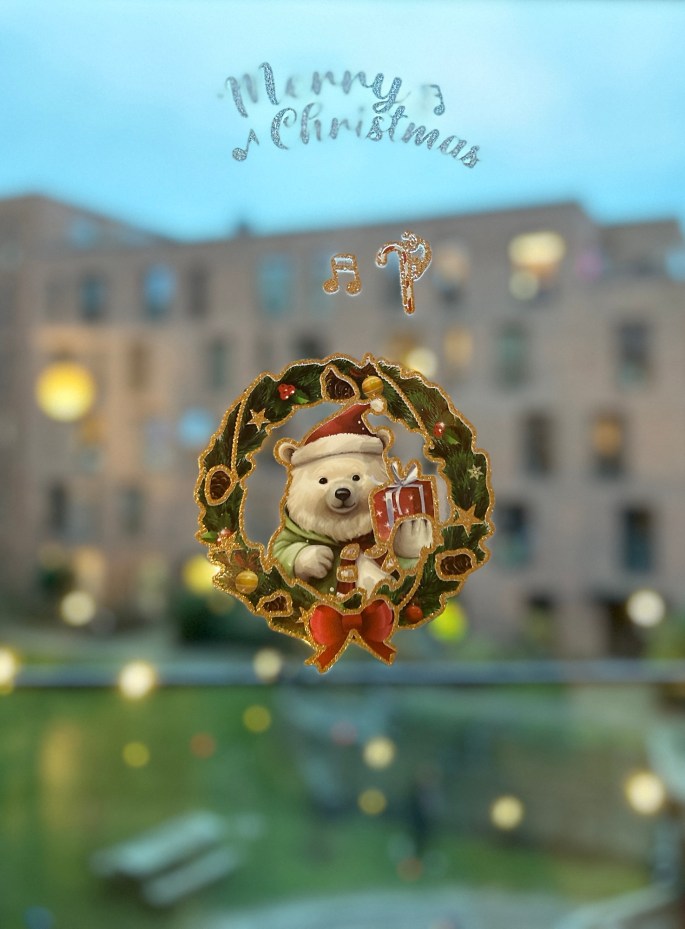
You won’t find glittering streets or loud displays like in other parts of Europe. That’s just not how Denmark does Christmas. It’s less public and more private. Instead of grand decorations, you notice something quieter and more personal with almost every home lit up. Balconies glow with soft neon lights, windows carry reindeer silhouettes, Santa figures, and snowmen clinging to the glass.
Head toward central Copenhagen and the mood shifts. Here, Christmas becomes more visible, more shared, through the city’s Christmas markets. This year, we waited and timed our visit to coincide with Santa Lucia Day.
Santa LUCIA DAY
Santa Lucia Day, celebrated on 13 December, feels like Copenhagen’s gentle answer to the long Nordic winter. As darkness settles in early, the city leans into light, warmth, and togetherness. Across schools, churches, and care homes, candlelit processions wind their way through halls and courtyards. Children and choirs softly sing “Sankta Lucia,” creating moments that feel both intimate and timeless.
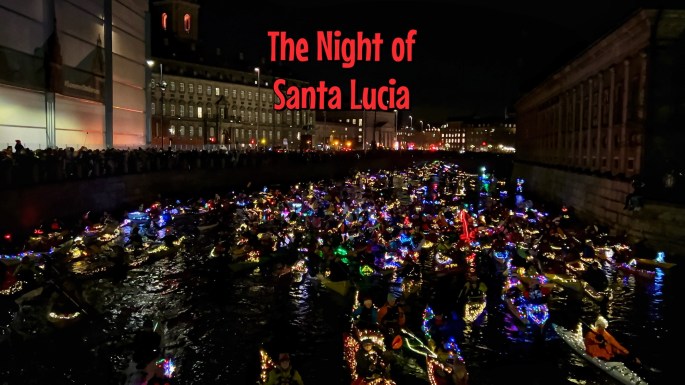
What truly makes Copenhagen special, though, happens outdoors. As evening falls, the canals come alive with the Santa Lucia kayak parade where hundreds of kayaks decorated with fairy lights drifting through the water and singing the Santa Lucia song. Locals and visitors line the harbour front, steaming cups of gløgg in hand, watching reflections of light ripple across the canals. It’s a magical, unmistakably Copenhagen experience – quiet, atmospheric, and perfectly in tune with winter travel in the Nordics.
Julemarkeder – CHRISTMAS MARKETS
Christmas markets in Copenhagen are spread across the city, with the most well-known ones lining the canals at Højbro Plads and Kongens Nytorv. Since we watched the Santa Lucia kayak parade from Gammel Strand, it felt natural to drift straight into the busy Christmas market at Højbro Plads.
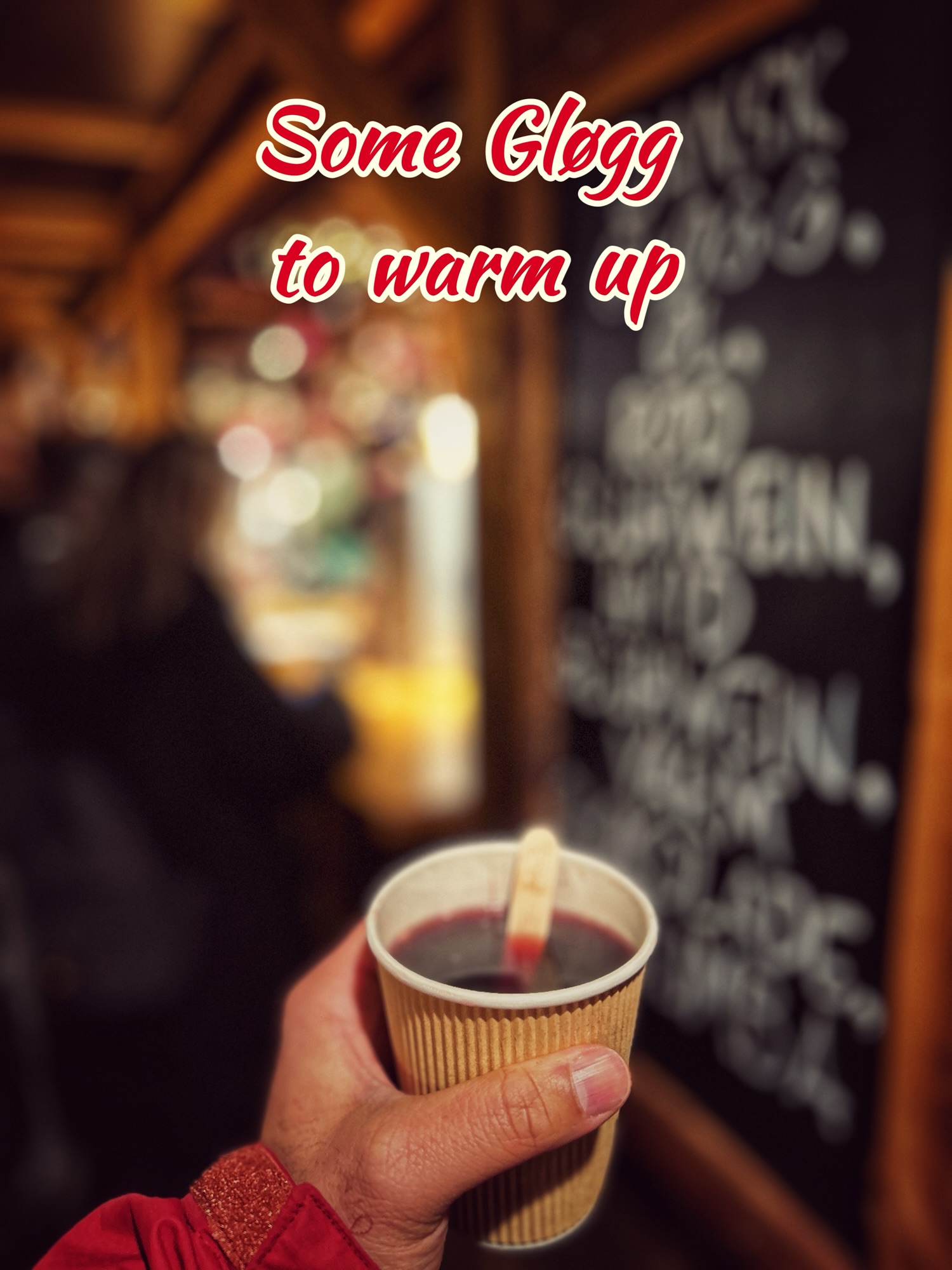
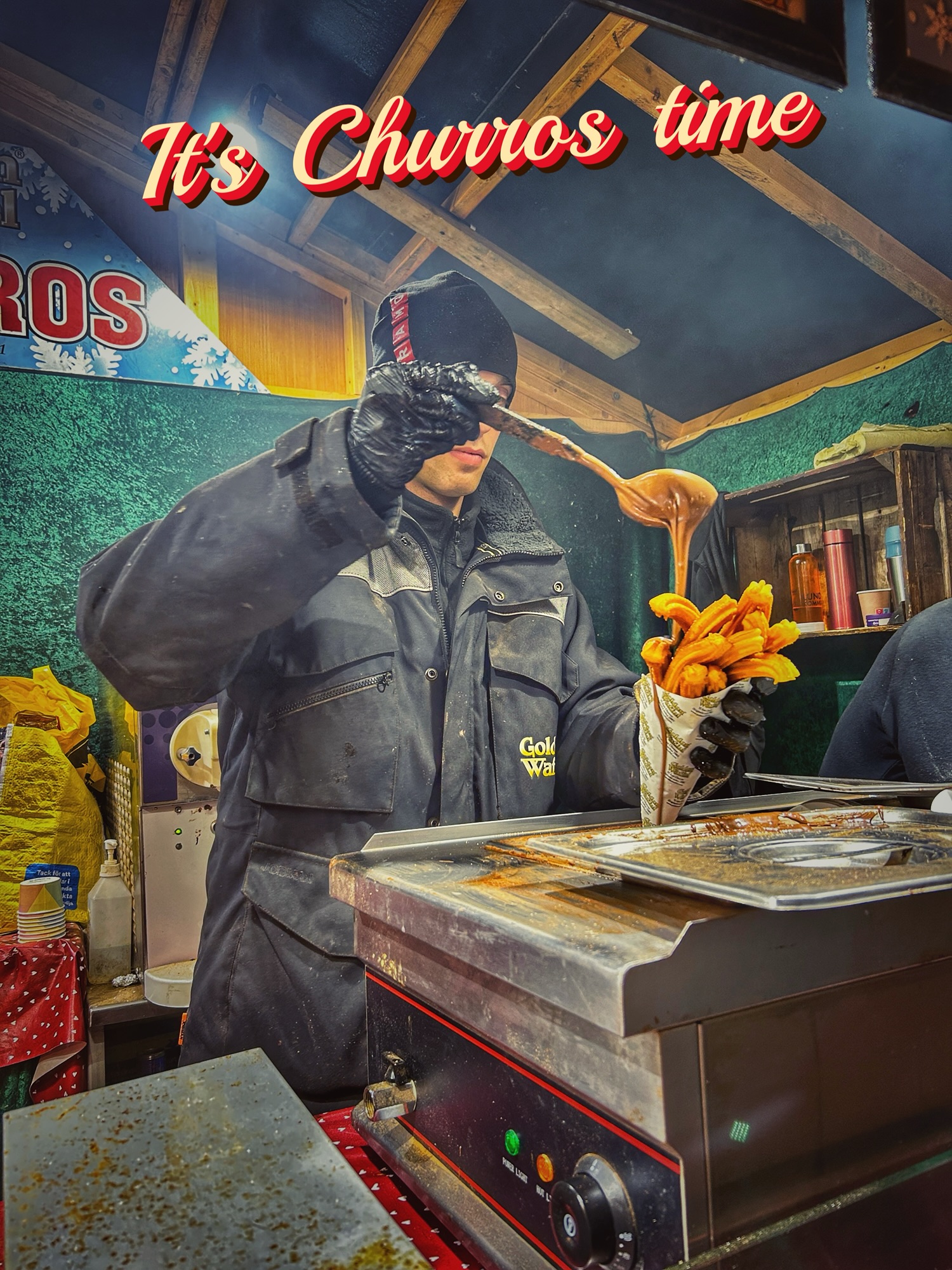
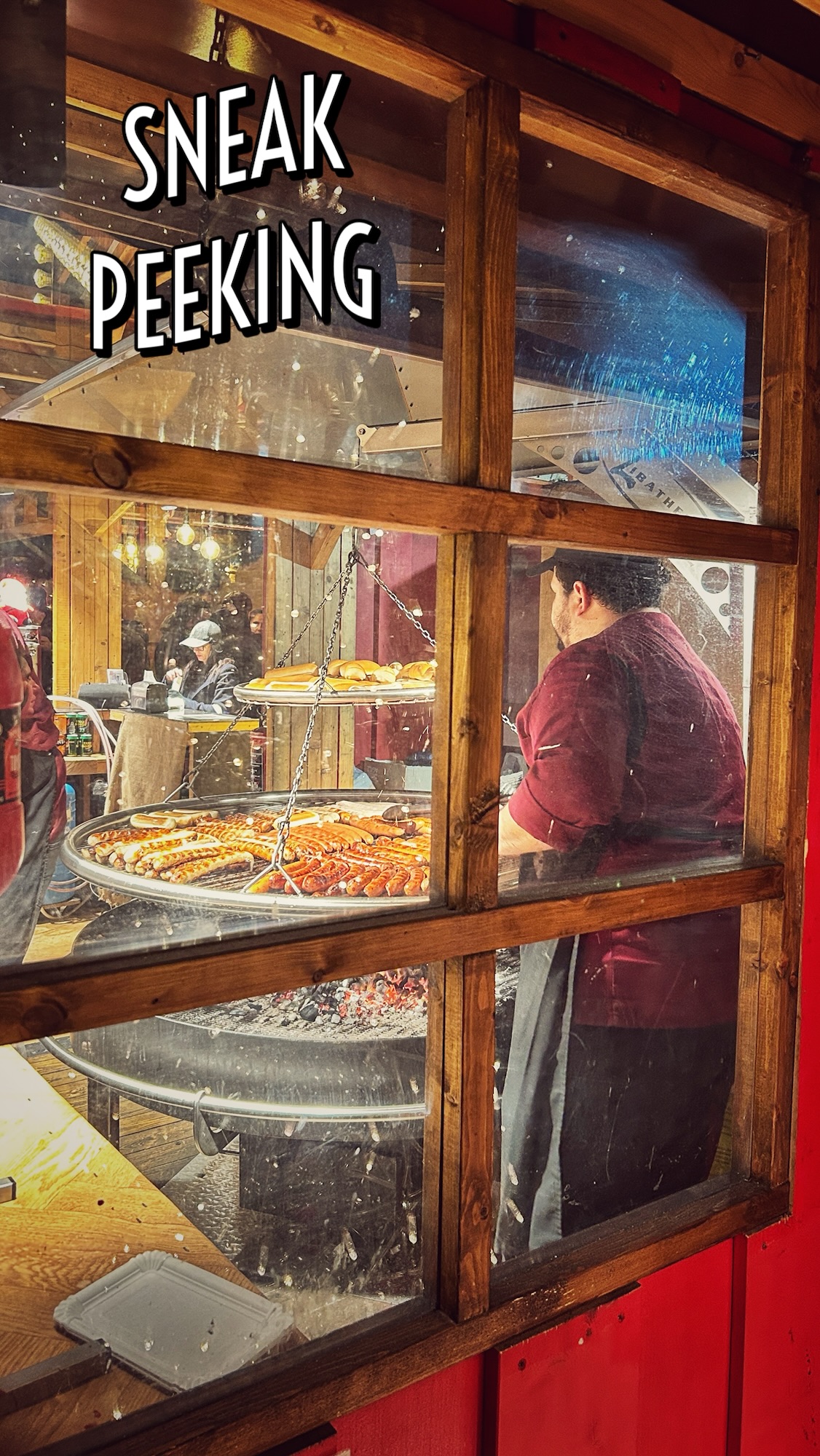
The atmosphere was unmistakably touristy, with travellers from around the world and locals turning into tourists in their own square. People of all ages soaked in the mood, sipping warm kakao or Danish gløgg, often spiked into something stronger. Once the thirst was taken care of, the sugar rush followed. Nutella-glazed churros, crepes, and all things sweet were hard to resist. And if sugar wasn’t your thing, there were always traditional Dansk pølser waiting.
Food aside, the stalls offered plenty of small, Christmassy decorations, things you could easily imagine back home. It felt like wandering through a living postcard.
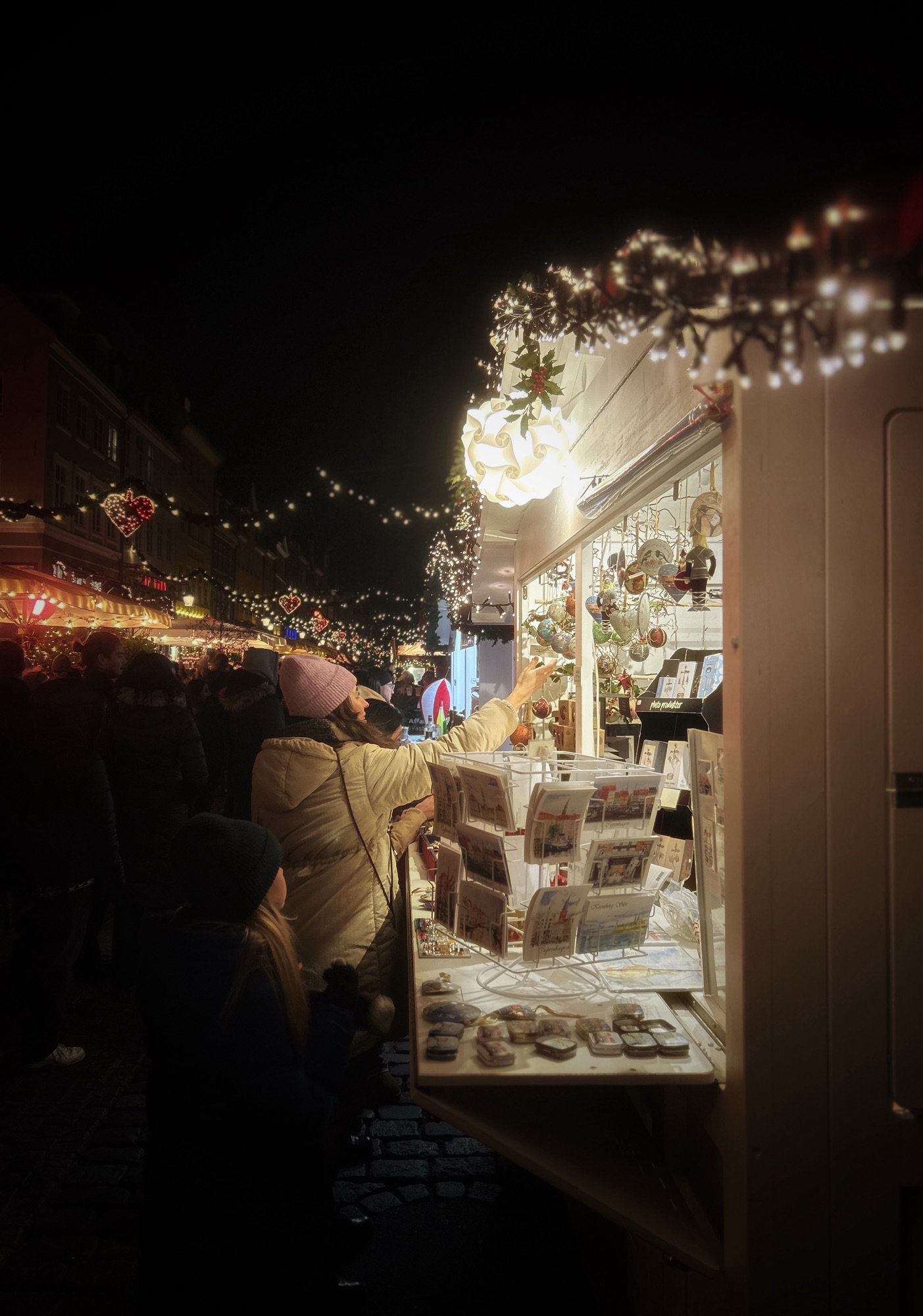
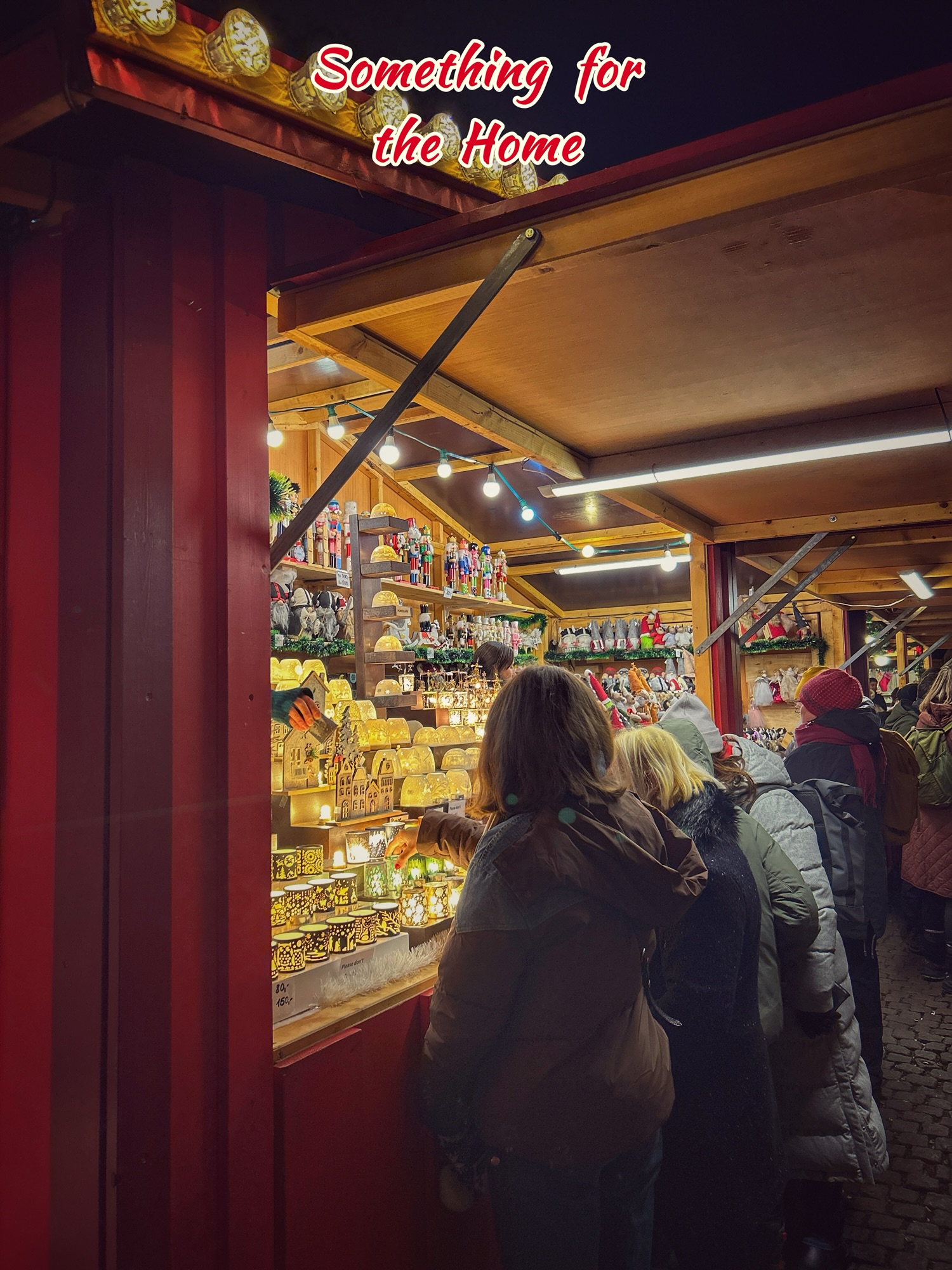
What struck me most was how unhurried it all felt. People stood around barrels used as tables, hands wrapped around mugs, conversations stretching longer than planned. Children pointed excitedly at wooden toys and ornaments. Couples shared plates, negotiated bites, and laughed when the gløgg turned out stronger than expected.
Somewhere between the second sip of gløgg and the last bite of churros, you realise something – this is winter in Copenhagen, being quietly beautiful.


You arrive thinking winter here will be hard.
You leave understanding why people embrace it instead.


 Honumans